
Melamine moulding compound, commonly referred to as melamine powder, serves as the core raw material for producing durable, food-safe melamine tableware. Many tableware production teams understand that powder quality has a huge impact on finished goods, yet few dive deep into how this key material is actually made.
In essence, melamine moulding compound is a thermosetting composite formed through melamine formaldehyde resin polymerization, cellulose pulp impregnation, controlled drying, fine grinding, color homogenization and rigorous batch quality testing. Every carefully managed step influences the powder’s flow characteristics, curing behavior, food safety compliance and surface finish of the final tableware.
Gaining a clear view of this full workflow helps you evaluate suppliers with greater confidence, interpret test documentation accurately, reduce avoidable moulding defects and protect your business from costly rejected orders.
With over 20 years of specialized experience manufacturing melamine compounds, Huafu Chemicals Factory maintains standardized production workflows to deliver consistent melamine formaldehyde powder suited for tableware compression lines across the globe.
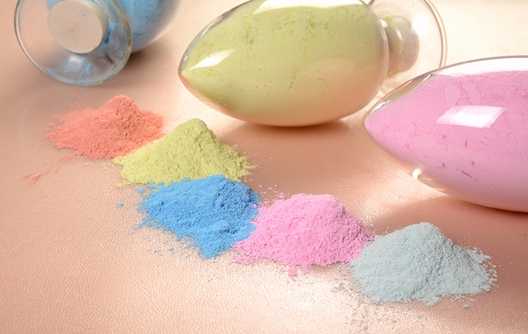
Step-by-Step Manufacturing Process of Melamine Moulding Compound
Melamine compound production is a tightly controlled chemical and physical process. Small deviations at any stage can create obvious defects during compression moulding.
Step 1 – Formula Design & Precision Batching
Formulas are customized for different end products, including plain dinnerware, colorful printed sets, thick soup bowls and thin serving trays. Manufacturers use automated weighing systems to dose each component accurately, minimizing human error that causes inconsistent curing or color mismatch.
Step 2 – MF Resin Polymerization
Melamine and formaldehyde react under closely regulated temperature, pH value and holding time to form MF resin. Technicians continuously track two core indicators: free formaldehyde content and resin reactivity.
Under-reacted resin tends to stick to moulds during production.
Over-reacted resin loses flowability and cannot fill complex mould cavities fully.
Step 3 – Cellulose Pulp Resin Impregnation
Dry cellulose pulp sheets are fully soaked in the liquid MF resin solution. Uniform impregnation is essential. If some pulp absorbs too little or too much resin, the powder will behave unevenly once loaded into moulding machines. Good impregnation guarantees stable flow during compression.
Step 4 – Controlled Low-Temperature Drying
Impregnated pulp moves to low-temperature drying tunnels to remove excess moisture. Moisture content is one of the most important QC parameters for melamine powder.
Excess moisture → steam forms inside moulds and creates blisters on tableware surfaces.
Over-dried material → poor flow and incomplete mould filling.
Step 5 – Crushing & Fine Milling
Dried resin-impregnated sheets are crushed and ground into fine powder. Manufacturers adjust particle size distribution according to customer mould designs. Powder for deep, complex shapes usually has a finer particle profile for better flow.
Step 6 – Color Matching & Homogenized Blending
Technicians match batches against standard color swatches first. After pigment addition, the powder goes through multi-cycle homogenization mixing. This stage prevents color streaks and batch-to-batch shade variation, which is especially vital for large continuous orders.
Step 7 – Sifting & Foreign Matter Removal
The blended powder passes through sieves to filter oversized particles. Food-grade grades also run through metal detectors to eliminate metal fragments, protecting moulds and meeting food safety requirements.
Step 8 – In-Lab Batch Quality Testing
Every finished batch enters the laboratory for a full test panel. Standard tests include flow length, curing time, moisture level, ash content and color difference. Food-grade batches additionally undergo food contact safety testing following international standards. Any non-conforming batch is isolated and rejected before packing.
Step 9 – Moisture-Proof Packing & Batch Traceability
Qualified melamine moulding compound is packed in moisture-barrier bags. Each package is clearly labeled with batch number, production date, grade specification and shelf life. Full batch traceability supports quick root-cause checks if any quality issue appears at the customer’s factory.
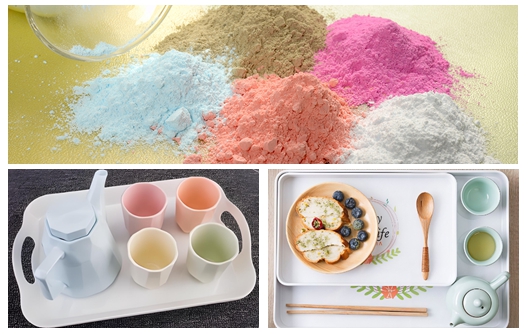
Real Industry Case: How Loose Process Control Created a Mass Production Failure
A melamine tableware manufacturer received a large repeat order for solid-color dinnerware and sourced low-cost melamine moulding compound from a new supplier. At first trial runs looked acceptable, but issues gradually surfaced during continuous mass production. Operators noticed inconsistent flow behavior in the mould, random color variations across pallets of finished items, and occasional surface blisters that did not appear on initial sample tests.
When the manufacturer requested the supplier’s process records, they discovered inconsistent moisture control and inadequate homogenization in the blending stage. The supplier’s batches showed obvious performance drift, even under identical moulding settings. The factory had to slow production, sort finished goods manually, and risk missing the shipment deadline.
After switching to Quanzhou Huafu Factory, the customer saw immediate improvement. Huafu Factory maintains tight control over raw material quality and locked process parameters for every production run. Each batch follows the same standardized workflow and retains test samples for traceability, delivering steady performance and reliable color consistency throughout the whole order cycle. The customer avoided further sorting labor and shipment delays.
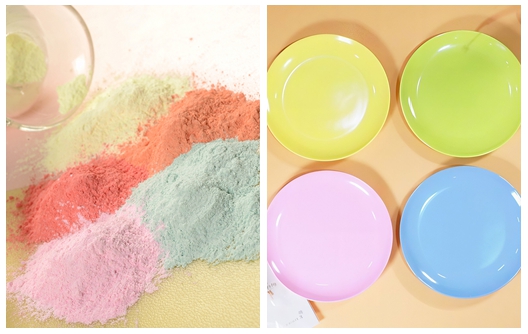
Every stage in melamine moulding compound production shapes the performance of your final melamine tableware. Even minor process shortcuts can trigger unexpected production downtime, extra sorting work and shipment risks. When sourcing melamine moulding compound, consistent raw material quality and reliable batch-to-batch uniformity are as critical as technical parameters.
Backed by rigorous raw material screening and closed-loop process management, Huafu Chemicals delivers melamine crockery raw material with stable reactivity and predictable moulding performance. Whether you operate small-scale moulding lines or fully automated production setups, Huafu provides tailored melamine compound grades to keep your production steady and reduce unexpected quality headaches. Welcome to contact us by Email: melamine@melaminecn.com for your next new order.
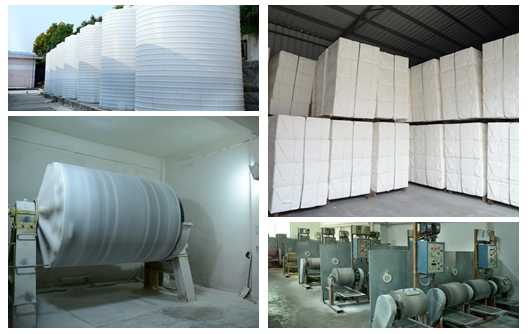
FAQ
Q: What purity grade can your melamine powder meet?
A: They are all 100% purity food grade melamine tableware powder.
Q: What is your delivery time?
A: It depends on the order quantity. The order delivery time is 15 days.
Q: What is the lifetime of HFM powder?
A: 12 Months under normal cool temperature. But it is better to use the powder within 6months, to meet its perfect chemical quality.

Manufacturer of 100% Pure Melamine Molding Compound with Stable-High-Quality for Melamine Tableware


